NARA Blog
Chicken By-Products and Rendering

The next time you chomp into a chicken wing, order your kids’ favorite chicken nuggets, or enjoy an elegant dinner of coq au vin, think rendering! And what better time to consider poultry rendering than September, National Chicken Month! Industrial poultry rendering consists of large-scale recycling of unconsumed chicken parts, bones, and tissues from processing plants. During this process, raw materials are heated, moisture is evaporated, and mechanical separation
NARA Announces Inaugural Owen Vickers Memorial Scholarship Recipient

The North American Renderers Association (NARA) is proud to recognize Ava Goodpasture as the inaugural recipient of the Owen Vickers Memorial Scholarship, a new scholarship established in 2026 to honor the legacy of longtime rendering industry leader T. Owen Vickers, Sr. Created in partnership with BHT ReSources, the scholarship reflects Vickers’ commitment to the rendering industry, education, and investing in future generations. The recipient receives $2,500 per year for two years, for a total award
Meet Our 2026 NARA Rendering Scholarship Recipients

The North American Renderers Association (NARA) is thrilled to announce Carmen Howard and Audreanna Brown as the recipients of the 2026 NARA Rendering Scholarship. Carmen Howard is currently a senior at Unity Environmental University, where she is pursuing a Bachelor of Science in Animal Science with an emphasis in Sustainable Livestock Management. She anticipates graduating in 2027. “It is an incredible honor to be selected as a recipient of the North American Renderers Association Scholarship,”
Ready to Join NARA?
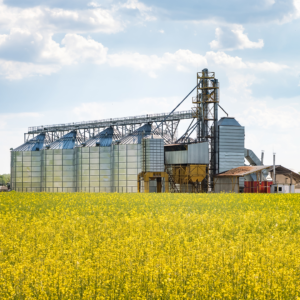
The North American Renderers Association (NARA), the trade association representing the U.S. and Canadian rendering industry, welcomes you to join your colleagues in the rendering industry. Who Joins NARA? NARA members are independent renderers and integrated packer/renderers who process their own animal by-products. Other members provide equipment and services to our rendering members, and broker or buy processed rendered products. International members are also welcome. Why Join NARA? NARA actively addresses the needs
This Month, Enjoy a Day by a River!

The sun glinting off its surface, the water lapping at its banks, the way it winds through a cityscape or the countryside. Wherever you live, there’s a river nearby to enjoy this June. That’s because it’s National Rivers Month, an annual celebration dedicated to appreciating, protecting, and restoring the thousands of rivers and streams across the United States. “But what does this have to do with rendering?” you might wonder. The answer is, “A lot!” Indeed, if
Celebrate National Rendering Day with NARA!
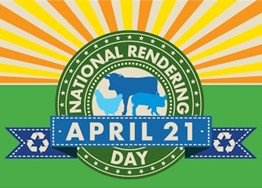
April 21st is National Rendering Day – when we recognize the sustainability of agricultural rendering and those who work in the rendering industry. The date of April 21st was specifically chosen to fall on the day before Earth Day (April 22nd) to represent the sustainable nature of the rendering industry, recognize the many useful items renderers can process from materials that would otherwise be wasted, and celebrate rendering’s impact on environmental protection. What is rendering?
NARA Welcomes Moises Huerta to Lead Latin America Efforts

NARA is excited to welcome Moises Huerta as its new Latin America Director—an important step in strengthening the organization’s presence and partnerships across the region. Based in Bogotá, Colombia, Moises will lead NARA’s efforts to grow market opportunities, build relationships, and support the use of rendered products throughout Latin America. Building Connections Across the Region In this role, Moises will serve as NARA’s on-the-ground representative, working closely with government agencies, industry leaders, and key stakeholders.
What Would a World Without Animal Rendering Be Like?
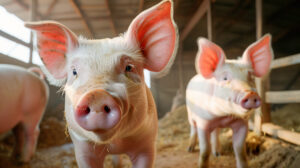
If you are new to the topic of animal rendering, you may not realize how crucial it is for environmental sustainability worldwide – in addition to saving landfill space and accounting for $10 billion in annual economic activity across the country, including rural America. As a process to reclaim and reuse animal agriculture resources responsibly, reduce food waste, and find important uses for meat by-products, rendering is recycling at its most basic. In fact,
Highlights From The 2026 International Rendering Symposium
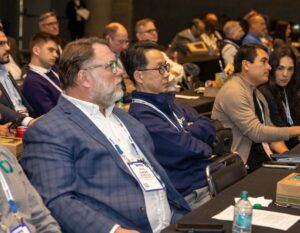
The 2026 International Rendering Symposium was held on January 29th in conjunction with the International Production & Processing Expo in Atlanta and sponsored by the North American Renderers Association (NARA) and the U.S. Poultry & Egg Association. It brought together global leaders from rendering, animal agriculture, sustainability, and communications to tackle a few main challenges in the rendering industry: how to clearly and passionately explain the value of rendering to a world increasingly disconnected from
How Does Rendering Create a Sustainable Environment?
These days, you can’t open a newspaper or turn on the TV without seeing a story about the environment and sustainability – and the practice of rendering can provide solutions to benefit both. What is rendering? Rendering is a process to reclaim and reuse animal agriculture resources responsibly, reduce food waste, and find important uses for meat by-products. It takes leftover materials from animal processing, such as fat, bones, and other materials, and reuses