The 2026 International Rendering Symposium was held on January 29th in conjunction with the International Production & Processing Expo in Atlanta and sponsored by the North American Renderers Association (NARA) and the U.S. Poultry & Egg Association. It brought together global leaders from rendering, animal agriculture, sustainability, and communications to tackle a few main challenges in the rendering industry: how to clearly and passionately explain the value of rendering to a world increasingly disconnected from agriculture; exploring the science behind maximizing the nutritional value or rendered products while supporting a circular food system; and finally, how to maintain accountability in our changing world
The symposium featured three sessions, each designed to highlight each of those unique facets of the industry — from communication and education to sustainability to innovation, and risk management.
The first session, “Building Bridges – Communicating Science Across Animal Agriculture,” focused on closing the gap between the public and the rendering industry. Kent Swisher, NARA’s president and CEO, opened by sharing strategic insights and the current state of rendering, emphasizing the industry’s role in sustainability and circularity. Joe Proudman from Clear Center followed, discussing how storytelling paired with science can support sustainability in animal agriculture, reminding attendees to “Do good things and talk about them.” Dana Johnson-Downing of NARA highlighted updates to the NARA Buyer’s Guide, a key resource for navigating the rendering industry. Dr. Peng Li, NARA’s Asia director, shared strategies for engaging stakeholders in China, while Sharla Ishamel of Render Magazine showcased how media storytelling connects the industry with broader audiences.
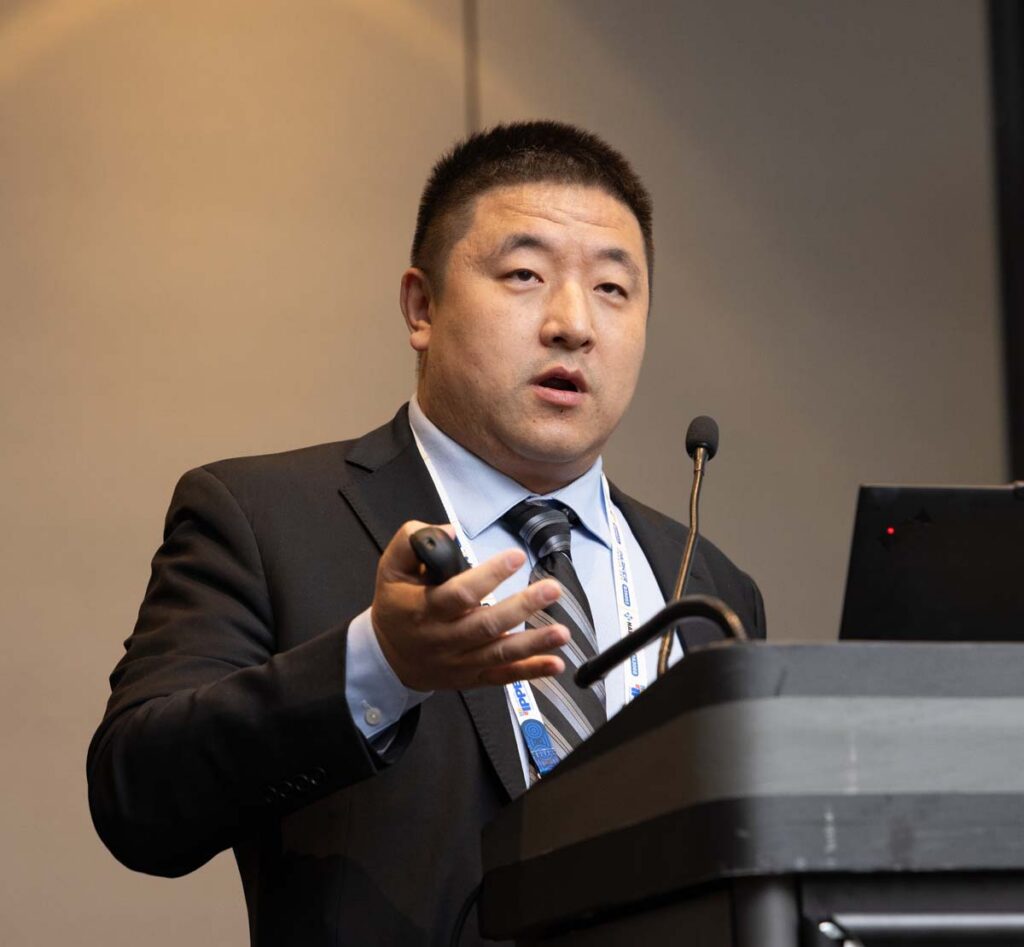
The second session, “Optimizing Rendered Ingredients for a Sustainable Feed Future,” explored the science behind using rendered materials to support sustainable feeds. Lara Moody from IFEEDER shared insights from the Feed Ingredient Consumption Report, demonstrating how rendering contributes to circularity and reduces environmental impact. Jeff Firman, PhD, of Firman Consulting, explained how to maximize the value of rendered protein meals in poultry diets, and Dr. Yan Wang from Zhejiang University discussed challenges and solutions for incorporating rendered animal proteins into aquaculture feeds. Sergio Nates, PhD, of the World Wildlife Fund rounded out the session with a global perspective on animal protein meals in aqua diets.

The final session, “Resilience and Risk – Navigating Today’s Toughest Industry Challenges,” tackled emerging issues and strategies for maintaining accountability and safety. Michael Glenn and Franklin Moore from BHT ReSources discussed the increasing dangers and economic impact of UCO theft, and Ansen Pond of JBS/Pilgrim’s detailed the APPI model for industry accountability, emphasizing the integration of science, safety, and storytelling. Charles Starkey of NARA shared insights on future opportunities and challenges facing the industry, while Richard Weeks of The Dupps Company presented an overview of Dupps University, highlighting state-of-the-art training and innovation in processing.
Throughout all three sessions, the core message was clear: rendering is more than a process — it’s a critical part of a sustainable, circular food system. The symposium reinforced that science, storytelling, and transparency are key to helping the public, policymakers, and partners understand the true value of rendering. With platforms like Rendering University and global outreach efforts, NARA is making the invisible work of renderers visible, educating new audiences, and promoting sustainability across borders. In a world increasingly removed from agriculture, that visibility isn’t just helpful — it’s essential.